Your body has adapted through pregnancy and birth, and the postnatal period is a time for recovery, reconnection and gradually rebuilding confidence. Whether your baby was born vaginally, with assistance or by Caesarean, your recovery is individual and there is no single birth pathway that determines your future pelvic health.
Pelvic-floor recovery is not about rushing back to where you were before pregnancy. It is about developing awareness, coordination, strength, relaxation and confidence at a pace that reflects your birth experience, your symptoms, your goals and your individual recovery.
In this resource
- What happens to the pelvic floor after birth?
- Reconnecting with breathing and your pelvic floor
- Pelvic-floor exercises after birth
- Leakage, heaviness and other changes
- Returning to movement and exercise
- Abdominal recovery and diastasis recti
- Bowel health, hydration and nutrition
- Recovery after different birth experiences
- Could the pelvic health chair support your postnatal recovery?
- Staying within the right support pathway
- Supporting your wider postnatal wellbeing
- Continue your postnatal pelvic-health journey
What happens to the pelvic floor after birth?
Pregnancy itself changes the demands placed on the pelvic floor. Vaginal birth can be a positive and empowering experience and should not be presented as something that inevitably damages the pelvic floor. Some women experience pelvic-floor symptoms or birth-related injury and many do not; factors including pregnancy, the course of labour and birth, individual tissues and recovery can all influence how the pelvic floor feels and functions afterwards.
Caesarean birth is another valid birth pathway with its own surgical recovery considerations. It does not remove all of the pelvic-floor changes associated with pregnancy, just as vaginal birth does not determine a woman's future pelvic health. The aim of this Hub is to support recovery without presenting one mode of birth as better for pelvic health than another.
Recovery therefore looks different for everybody. Give yourself permission to recover at your own pace rather than comparing your body, birth or timeline with somebody else's.
Reconnecting with breathing and your pelvic floor
Gentle breathing awareness can be a useful starting point as you reconnect with your body. The pelvic floor and breathing system work together: as you breathe in, the pelvic floor can soften and lengthen; as you breathe out, a gentle lift can be introduced if comfortable.
Early pelvic-floor work should not be a race to perform the strongest possible squeeze. Being able to relax the muscles, feel them working and coordinate them with breathing and movement is also important.
If an exercise increases pain, pressure, heaviness or leakage, or you cannot feel the pelvic floor moving, that is useful feedback from your body. Adjust the exercise and consider individual pelvic-health guidance if you need help finding a comfortable, effective approach.
Pelvic-floor exercises after birth
Pelvic-floor muscle training can be a valuable part of postnatal recovery. Recent research supports its role in reducing the likelihood of postnatal urinary incontinence for many women and in improving pelvic-floor strength and endurance, although individual responses and study findings vary. The practical goal is better awareness, coordination and function rather than chasing a perfect number of repetitions.
Quality matters more than simply doing large numbers of repetitions. As control improves, pelvic-floor function should gradually translate into everyday life — for example standing, lifting, coughing, walking and eventually returning to more demanding exercise.
If you are unsure whether you are using the right muscles, have difficulty relaxing them or symptoms are not improving, individual pelvic-health guidance can help you understand what your pelvic floor needs.
Leakage, heaviness and other changes
Urinary leakage can occur after pregnancy and birth, but it does not have to become something you simply accept. Some women also notice pelvic heaviness, pressure, altered bowel control, discomfort or changes in bladder emptying. These experiences can be supported in different ways depending on the pattern and your stage of recovery.
More strengthening is not always the answer. Sometimes the priority is relaxation, coordination, breathing, bowel support, movement modification or simply giving recovery more time. The aim is to find the support that fits your body rather than treating every postnatal symptom in the same way.
Returning to movement and exercise
Returning to movement can be a positive part of postnatal recovery. Build activity progressively and let comfort, confidence and symptoms help guide the pace. If an activity brings on leakage, pain, pressure or heaviness, try reducing the load, volume, impact or range of movement, adjusting your breathing strategy, or allowing more recovery before progressing.
There is no need to prove your recovery by pushing through symptoms. Adjusting an activity while your capacity rebuilds is part of progressive recovery, not a failure to recover.
Abdominal recovery and diastasis recti
The abdominal wall also adapts during pregnancy. A degree of separation between the abdominal muscles is common, and recovery involves more than judging the width of a gap. Breathing, pressure management, function, comfort and progressive return to activity all matter.
Your abdominal wall and pelvic floor work together, but their recovery is not exactly the same. If you would like to understand more about abdominal separation after pregnancy, read our Diastasis Recti & Core Recovery guide.
Bowel health, hydration and nutrition
Constipation is common after giving birth, and straining can place additional pressure on the recovering pelvic floor. Regular fluids, appropriate dietary fibre, gentle movement and comfortable toileting habits can all help support bowel regularity. When opening your bowels, placing your feet on a low stool so that your knees are higher than your hips, then leaning slightly forwards, can make passing a stool easier and help reduce unnecessary straining.
For clients who continue to experience constipation or sluggish bowel function after childbirth, Essential Bodyworks can also discuss appropriate complementary bowel-support options. At Essential Bodyworks, postnatal Colonic Irrigation is not offered until at least 6 weeks after delivery and only once the client has been discharged from midwifery care. Suitability is considered individually, and Colonic Irrigation is not positioned as a treatment for pelvic-floor dysfunction or prolapse.
Your nutritional needs may also be influenced by healing, sleep, activity and whether you are breastfeeding, so individual advice should take your wider circumstances into account.
Recovery after different birth experiences
Every birth experience is individual. After vaginal birth, recovery may centre on rest, pelvic-floor reconnection, comfort and gradually returning to movement. If there has been a tear, episiotomy or assisted birth, additional time and support may be useful. Caesarean birth has its own abdominal and surgical recovery considerations while the pelvic floor has still adapted throughout pregnancy.
Your own recovery matters more than comparing birth types or timelines. Where you have already been given specific postnatal or wound-care advice, Essential Bodyworks support can sit alongside that existing recovery plan.
Could the pelvic health chair support your postnatal recovery?
For appropriately screened women later in recovery, the Essential Bodyworks pelvic health chair is a positive additional option worth exploring where urinary leakage, pelvic-floor weakness or difficulty activating the muscles is part of the picture. Treatment is non-invasive and fully clothed, using magnetic stimulation to activate the pelvic-floor muscles while you sit comfortably. Research into magnetic pelvic-floor stimulation in women with urinary incontinence is encouraging, including recent systematic-review evidence reporting improvements in symptoms and quality of life. This evidence is not specific to every postnatal presentation, so we do not promise a particular outcome. Instead, the chair can sit alongside pelvic-floor exercises, breathing, gradual movement and other recovery support, with suitability and timing considered individually.
Staying within the right support pathway
Essential Bodyworks focuses on pelvic-floor and wellbeing support. We can help you explore breathing, bowel wellbeing, pelvic-floor awareness, gradual return to activity and, where appropriate, screened pelvic health chair treatment. If something clearly falls outside our scope, we will simply explain that and signpost appropriately.
Postnatal recovery also has its own urgent-care advice. Significant unexplained bleeding, chest pain, shortness of breath, a painful or swollen calf, high fever, becoming acutely unwell or other symptoms your maternity team has told you require urgent attention should not be managed through a wellbeing service alone.
Supporting your wider postnatal wellbeing
Postnatal recovery is about more than pelvic-floor exercise. Rest, nourishment, breathing, gradual movement and appropriate hands-on or wellbeing support may all contribute to feeling more comfortable and confident as you recover.
Continue your postnatal pelvic-health journey
Your First Weeks After Birth
Pelvic-Floor Exercises After Birth
Breathing & Pressure Management
Leakage After Pregnancy & Birth
- Prolapse, Heaviness & Pressure
Caesarean & Pelvic-Floor Recovery
Perineal Tears, Episiotomy & Assisted Birth
- Diastasis Recti & Core Recovery
Returning to Exercise After Birth
Bladder & Bowel Health After Birth
Sexual Wellbeing After Birth
When to See a Pelvic-Health Physiotherapist
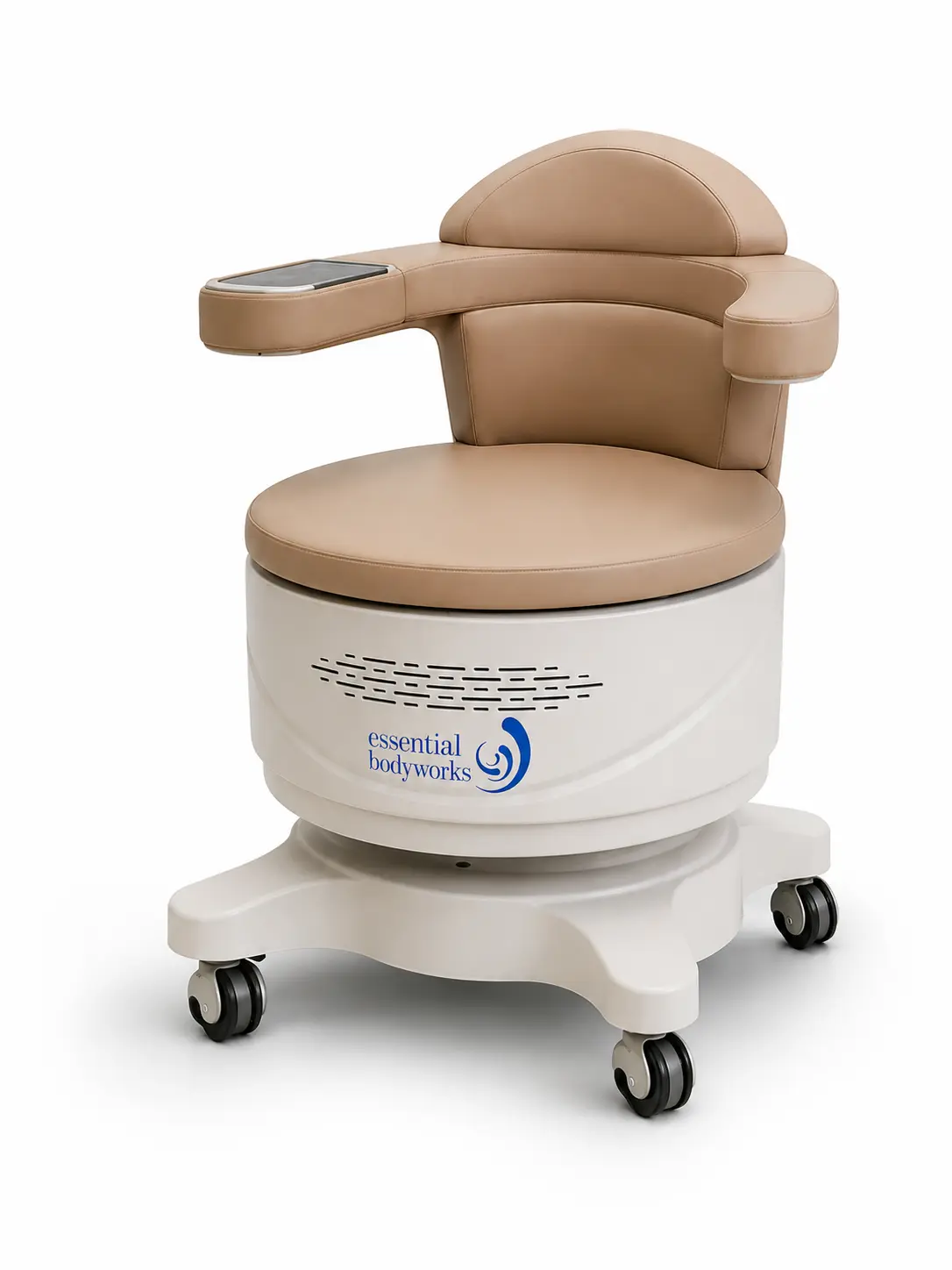
Pelvic Health Chair Treatment
Chair treatment may be considered later in postnatal recovery, with timing and suitability screened individually.
This page provides general postnatal pelvic-health and wellbeing education. Essential Bodyworks focuses on recovery support, pelvic-floor awareness, breathing, bowel wellbeing, movement and appropriately screened treatment options. Recovery and treatment response are individual; where something is outside our scope, we will signpost appropriately.
© Essential Bodyworks. All rights reserved.